
The metal-jet technology
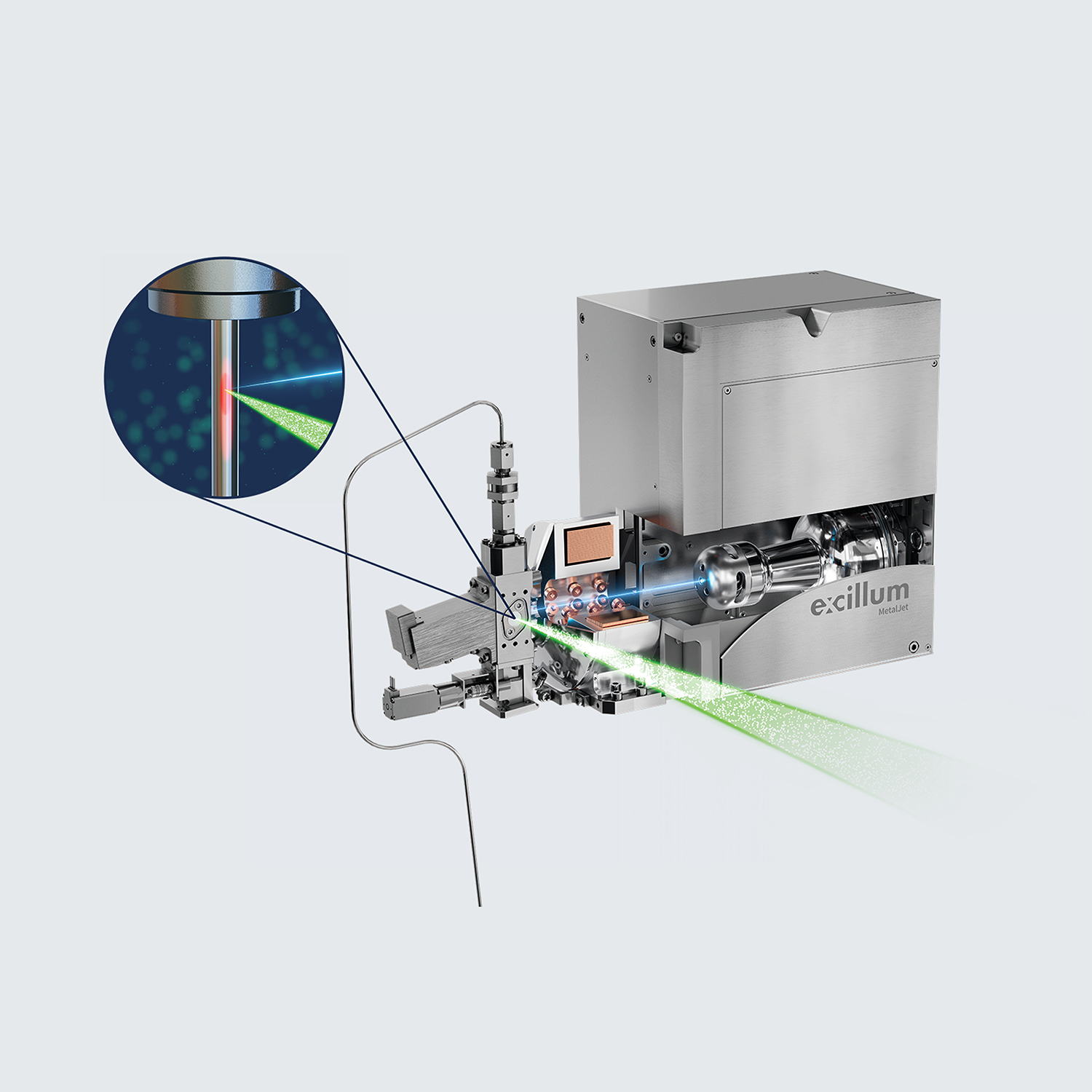
The metal-jet technology can thereby, e.g., enable a major increase of the image acquisition speed with maintained resolution in an X-ray imaging application or measurement throughput improvement combined with better precision and accuracy in an analytical application.
Especially in the microfocus X-ray spot size range, from about 5 µm diameter to a few tens of µm, a source based on a liquid-metal jet anode significantly outperforms a classical solid anode X-ray source by up to 27x.
The liquid-metal-jet concept
The Excillum MetalJet X-ray tubes are conventional microfocus tubes with the solid-metal anode replaced by a liquid-metal jet. This type of anode is continuously regenerated and already in the molten stage. Thereby, the classical power limit of an X-ray source, when the anode is permanently damaged by the electron beam, may be disregarded. The metal-jet supports higher electron-beam power and can therefore generate higher X-ray flux.
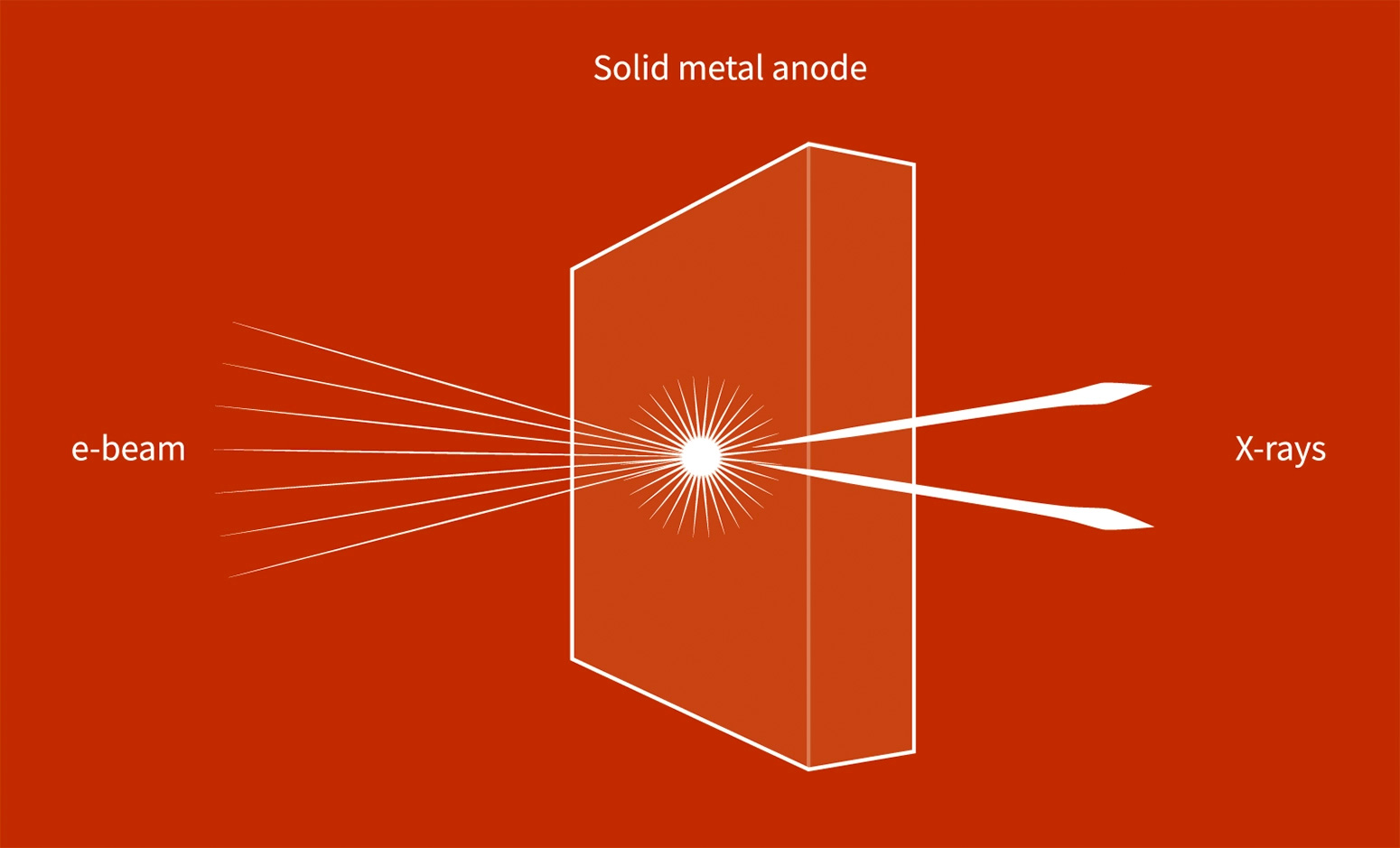
Regular anode
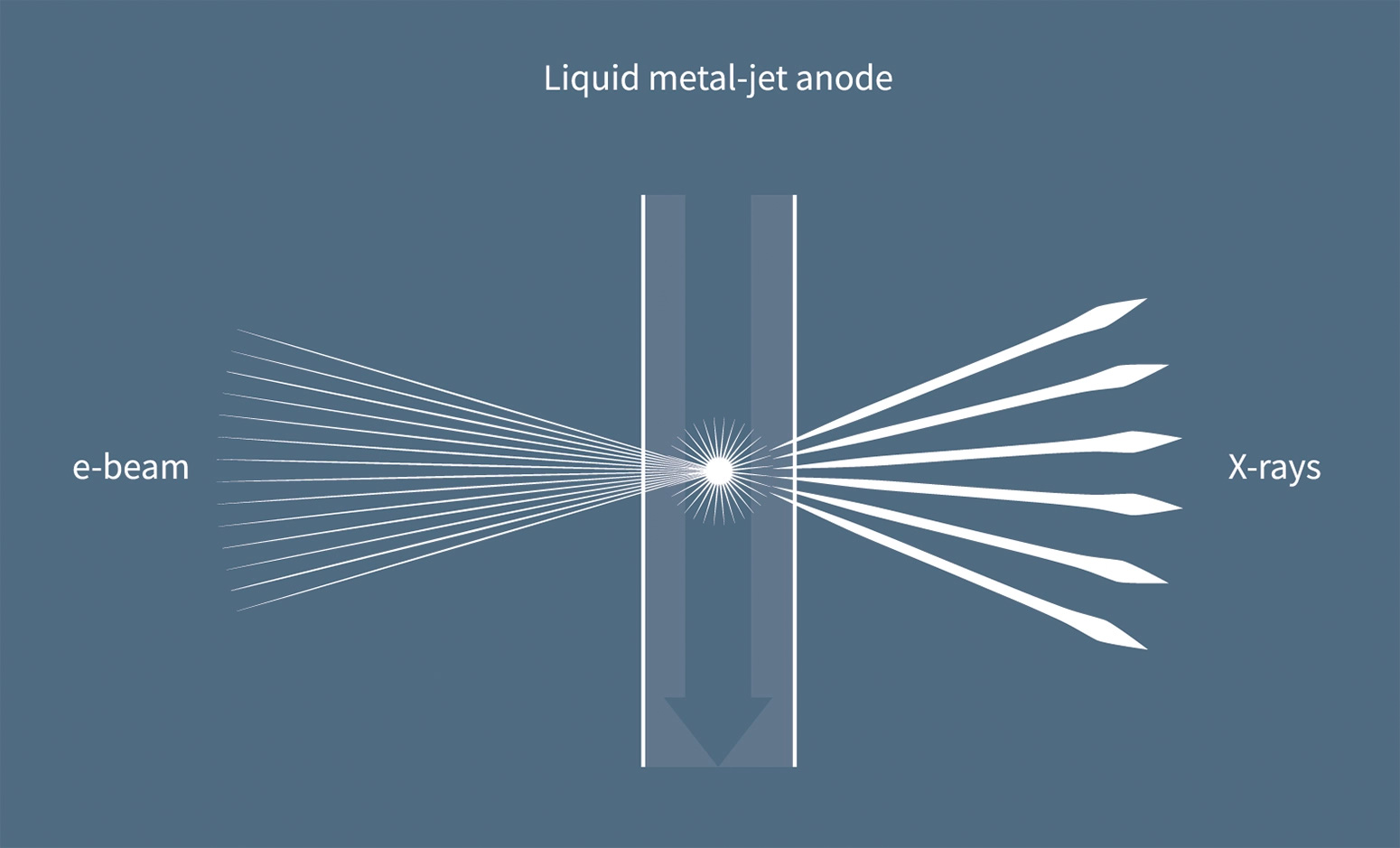
Liquid metal-jet anode
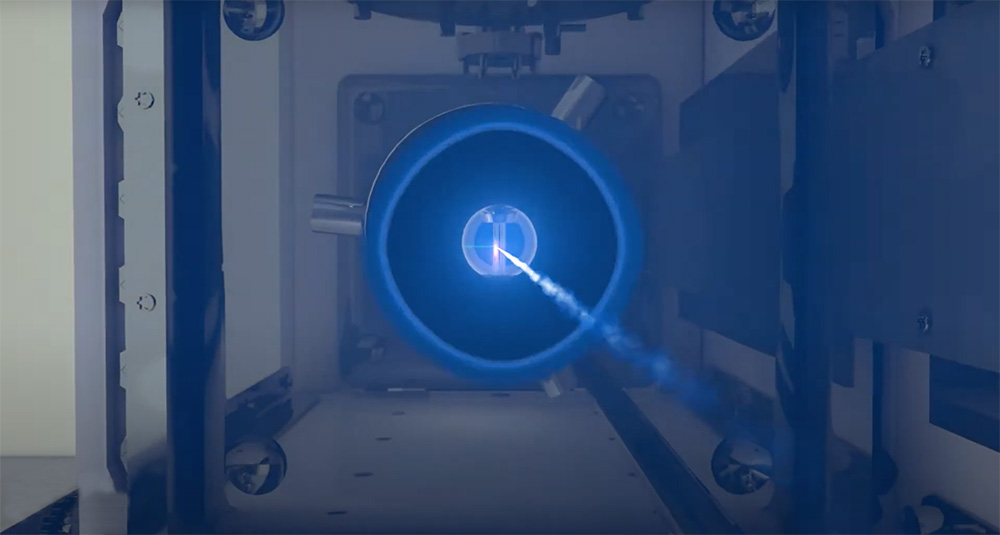
Inside view of the metal-jet technology
Solid anode vs liquid-metal jet
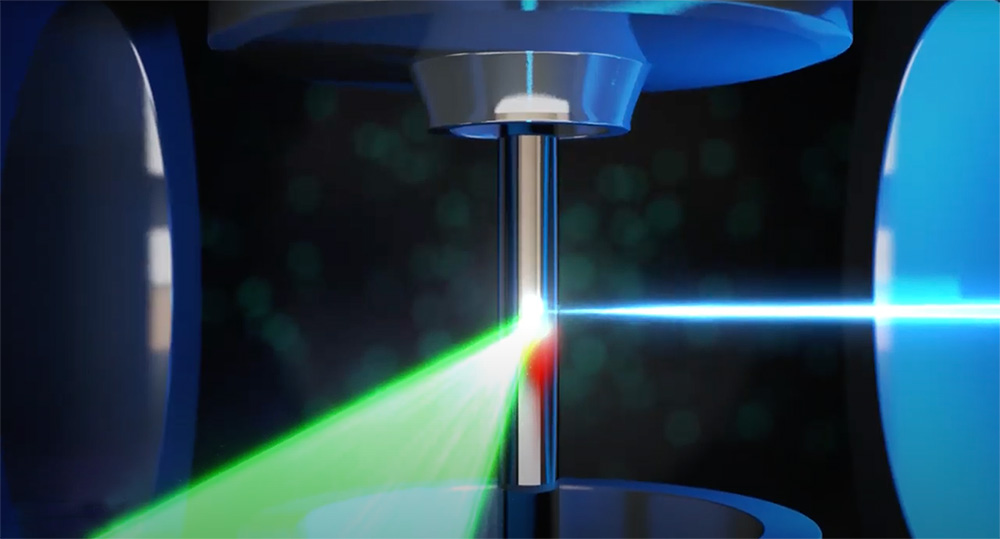
A look inside the Excillum MetalJet
Questions about our products?
Speak to our experts
We have a growing organization and a network of partners with the capabilities and expertise to maximize the benefits of our technology in your application.
Ask an expert

Ulf Lundström
Application Performance Specialist
Some X-ray methods using MetalJet
User stories
Experiences with the Excillum MetalJet X-ray sources
Learn about some of our customers’ experiences with our state-of-the-art X-ray sources.
